A Water Cycle Booklet That Connects Learning to Local Places
Where does a puddle’s water go? What happens when rain reaches the ground? How can caring for land help protect a stream?
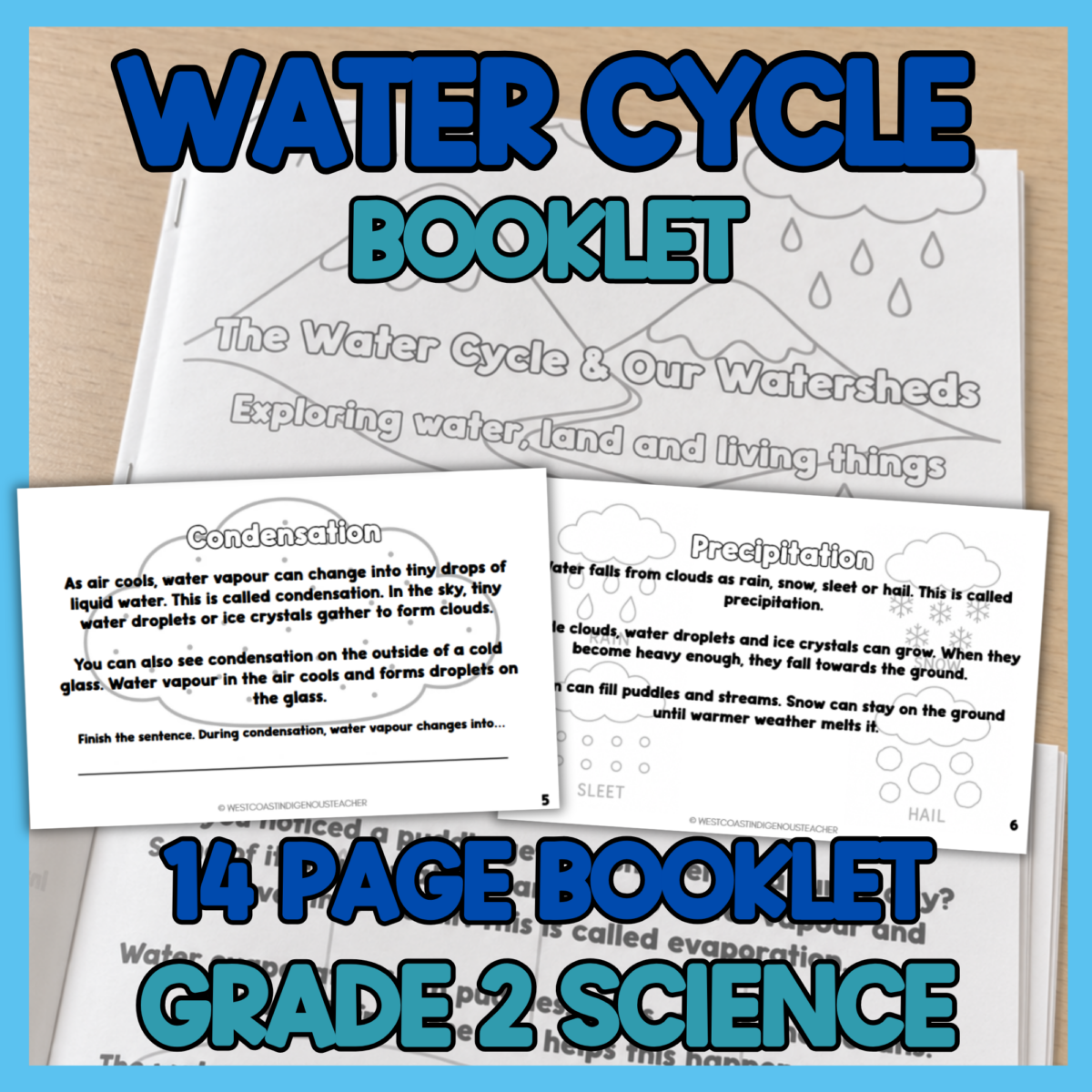
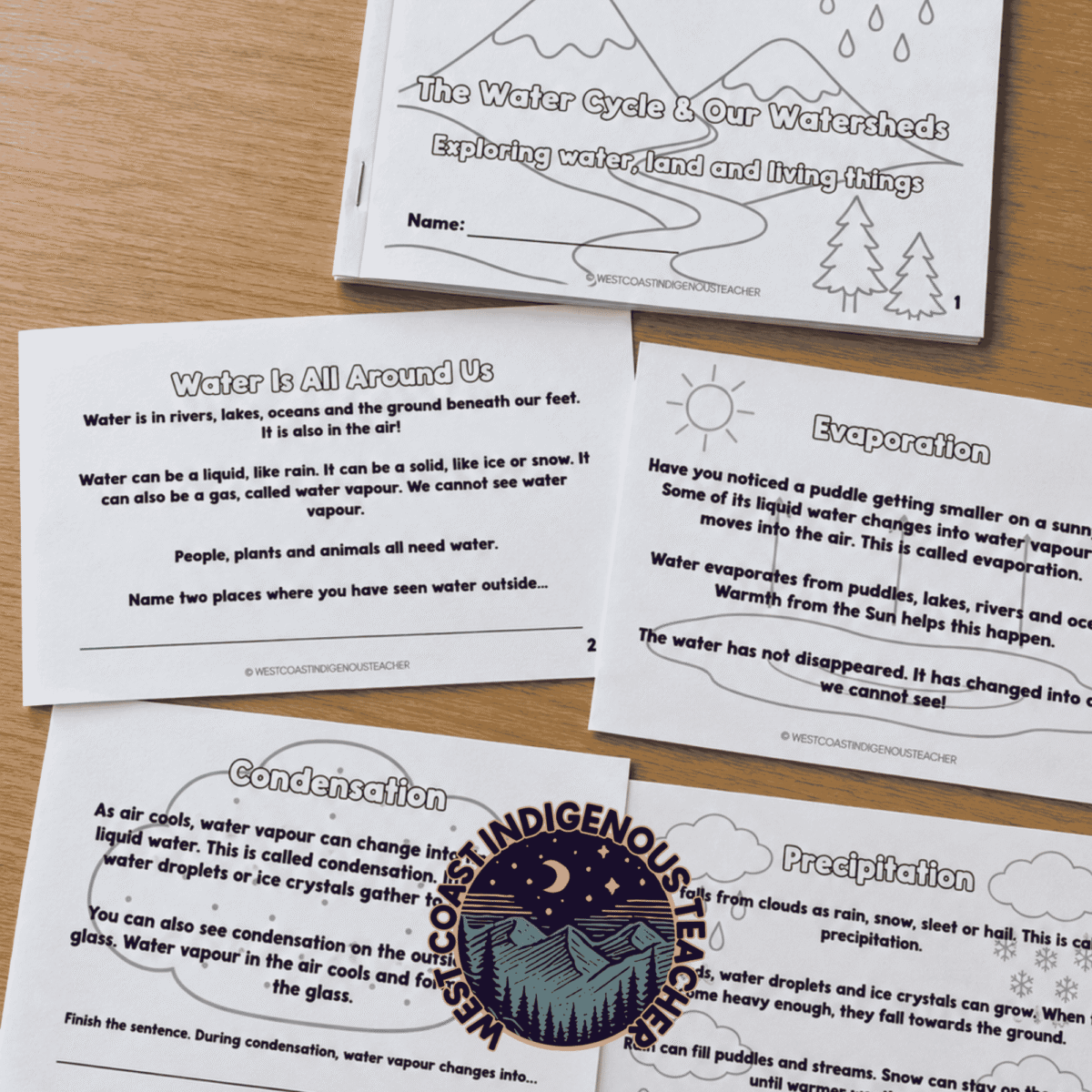
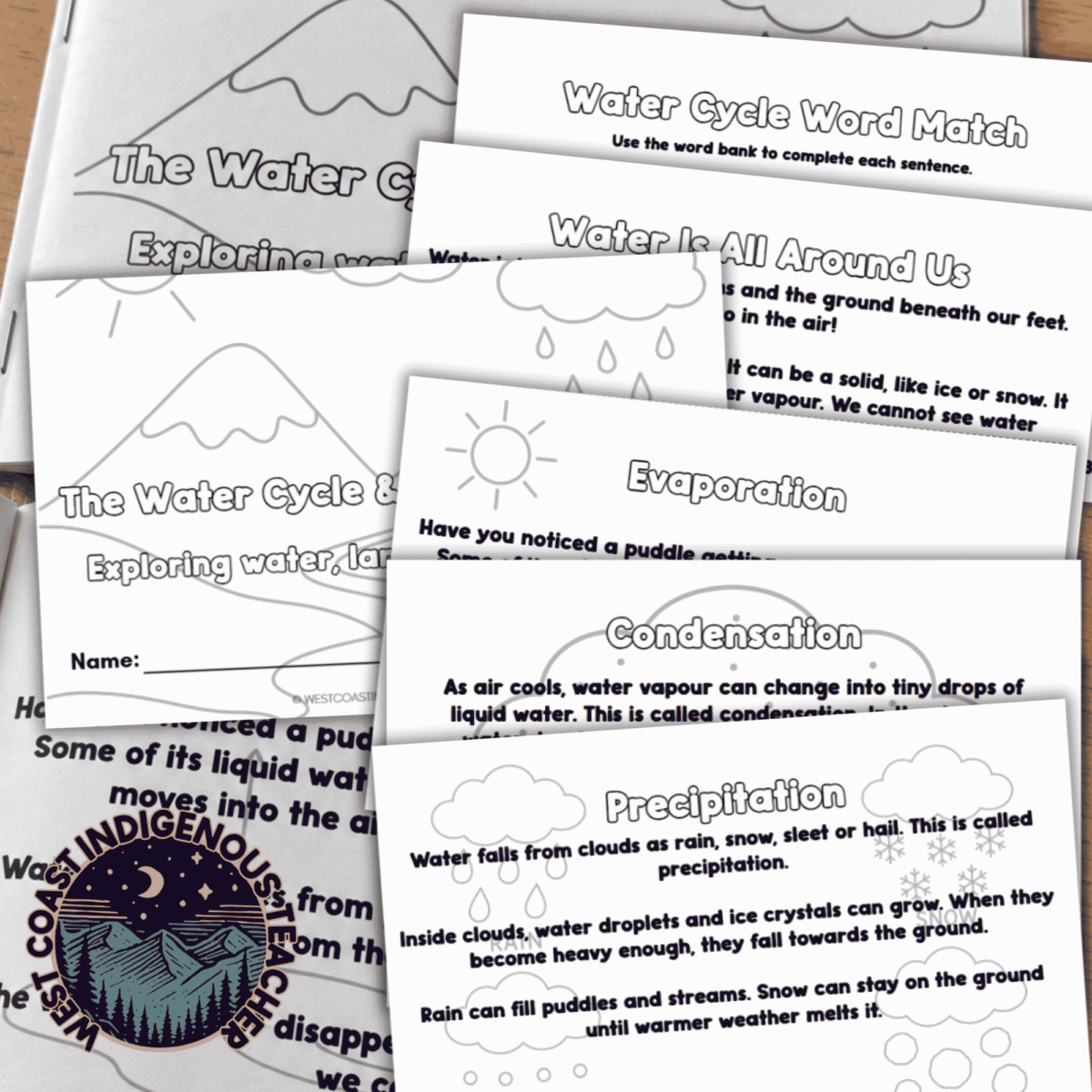
This Grade 2 water cycle booklet helps students explore these questions through short readings, illustrations, drawing and written responses. Students learn about evaporation, condensation, precipitation and runoff before exploring how water moves through a watershed.
Created by a Nuučaan̓ułʔatḥ educator, the resource connects science learning with a specific First Nations stewardship example and an investigation of water near your school.
What’s Included?
- 14 half-page student booklet with black and white illustrations
- Readings about water, the water cycle and watersheds
- Water cycle vocabulary and word-match activity
- Drawing, prediction, observation and reflection prompts
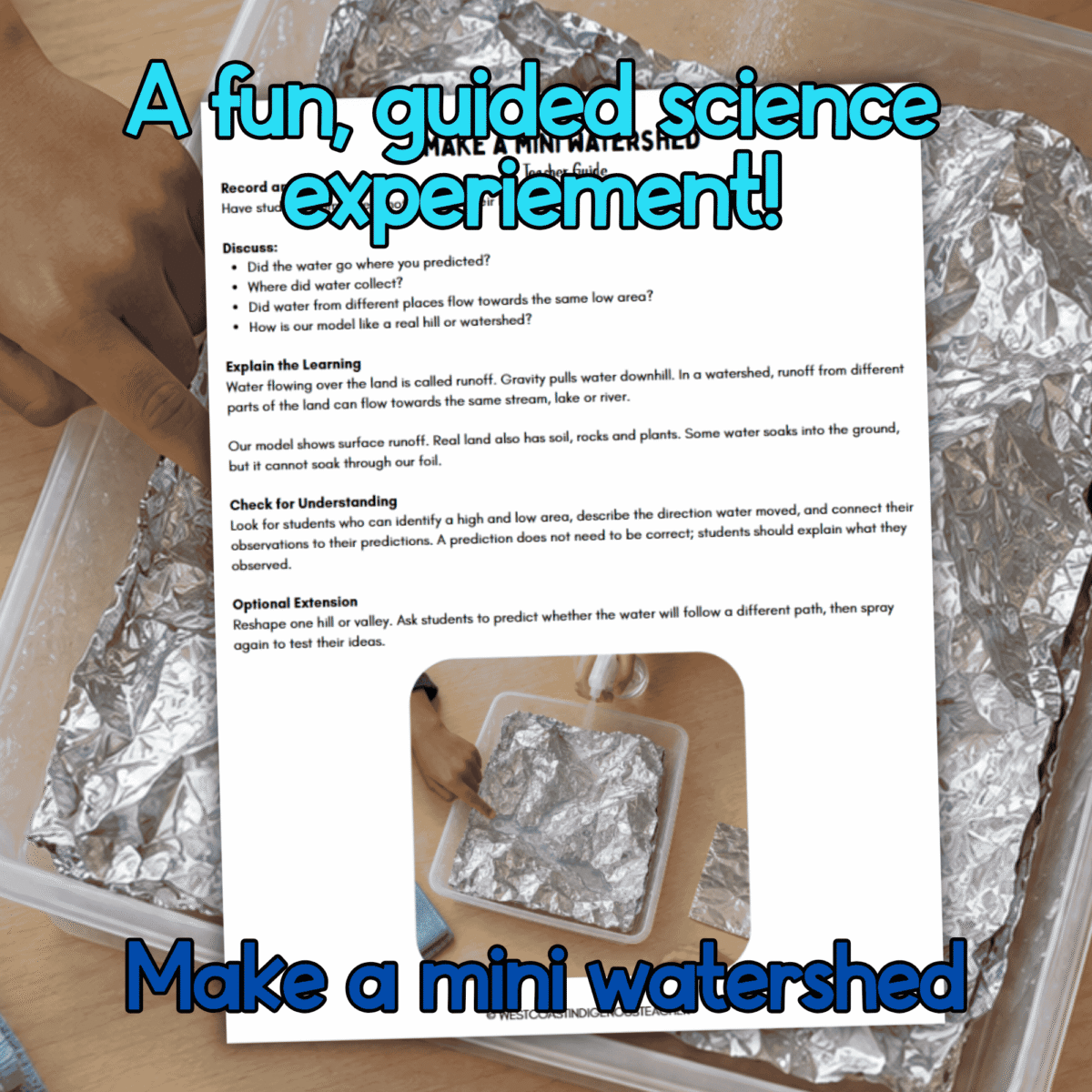
- Mini watershed model activity with a separate teacher guide
- Tla-o-qui-aht Tribal Parks water stewardship reading
- Teacher guided local watershed investigation
- Water conservation learning and personal action reflection
- Teacher lesson plan
Hands-On Watershed Activities for Kids
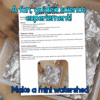
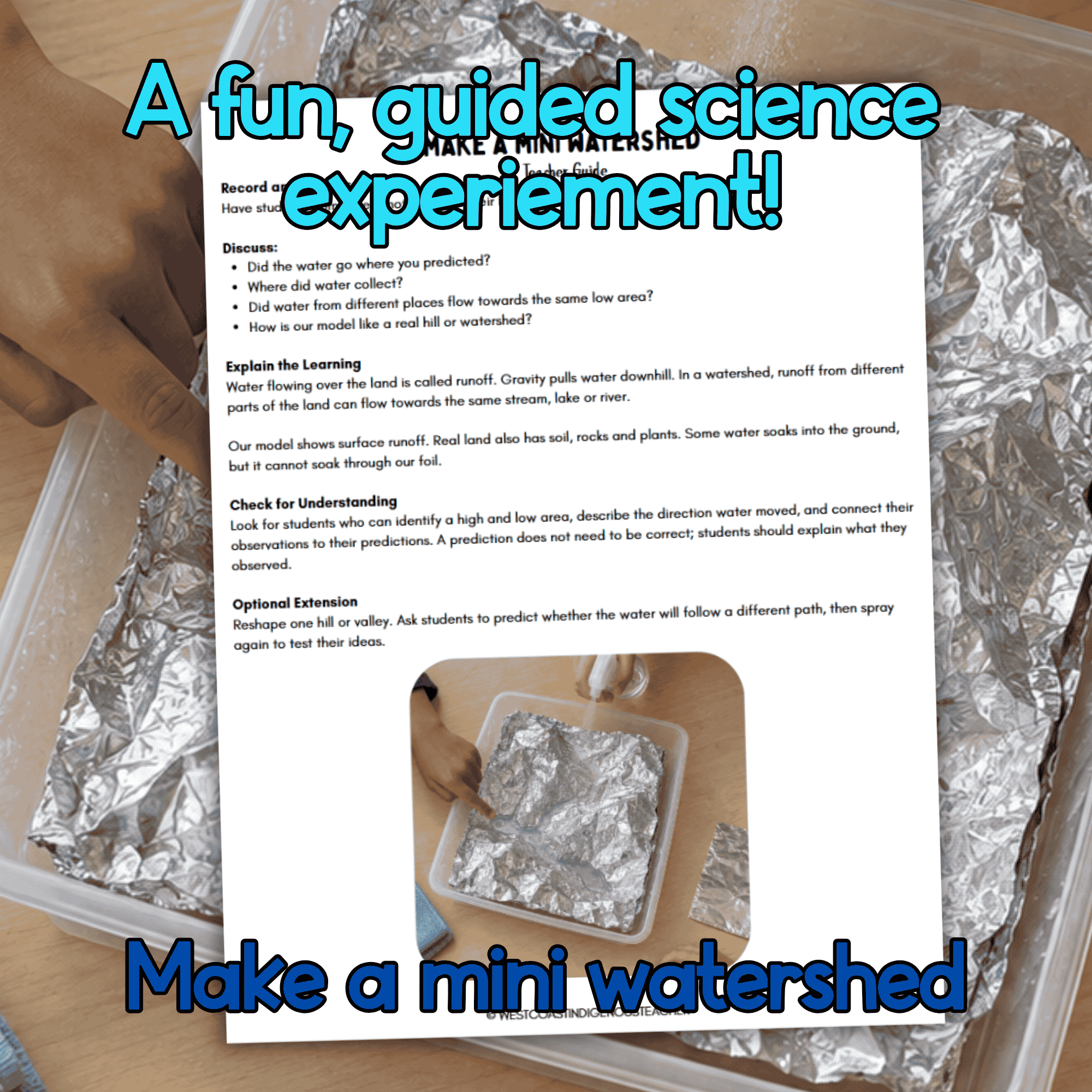
Students create a small landscape using aluminum foil in a tray. As they spray water onto the model, they observe how it travels downhill and collects in low places.
The accompanying booklet page gives students space to record a prediction and describe what they noticed. The separate teacher guide includes materials, instructions, discussion questions and an explanation of how the model differs from real land.
First Nations Connections
Students learn how Tla-o-qui-aht Tribal Parks cares for forests and waters, including the source of Tofino’s drinking water.
A local investigation then invites the class to identify its watershed and learn from a resource shared by a local First Nation. Teachers select the local map and Nation-authored resource so the learning reflects the place where students live.
BC Grade 2 Science Connections
This resource supports BC Grade 2 Science learning about the water cycle, water sources and local watersheds, and water conservation. The teacher-guided local investigation provides an opportunity to connect with local First Peoples’ knowledge of water.
Students practice making predictions, observing a model, communicating ideas and considering how their actions affect the environment.
Using the Resource
Use the booklet across several lessons during your water cycle unit. Students can complete responses through writing, drawing or discussion, with teacher support as needed.
Print the half-page booklet and gather simple materials for the watershed model: aluminum foil, a shallow waterproof tray, a spray bottle of water and towels.
Help students connect the water cycle to the streams, land and communities around them.