
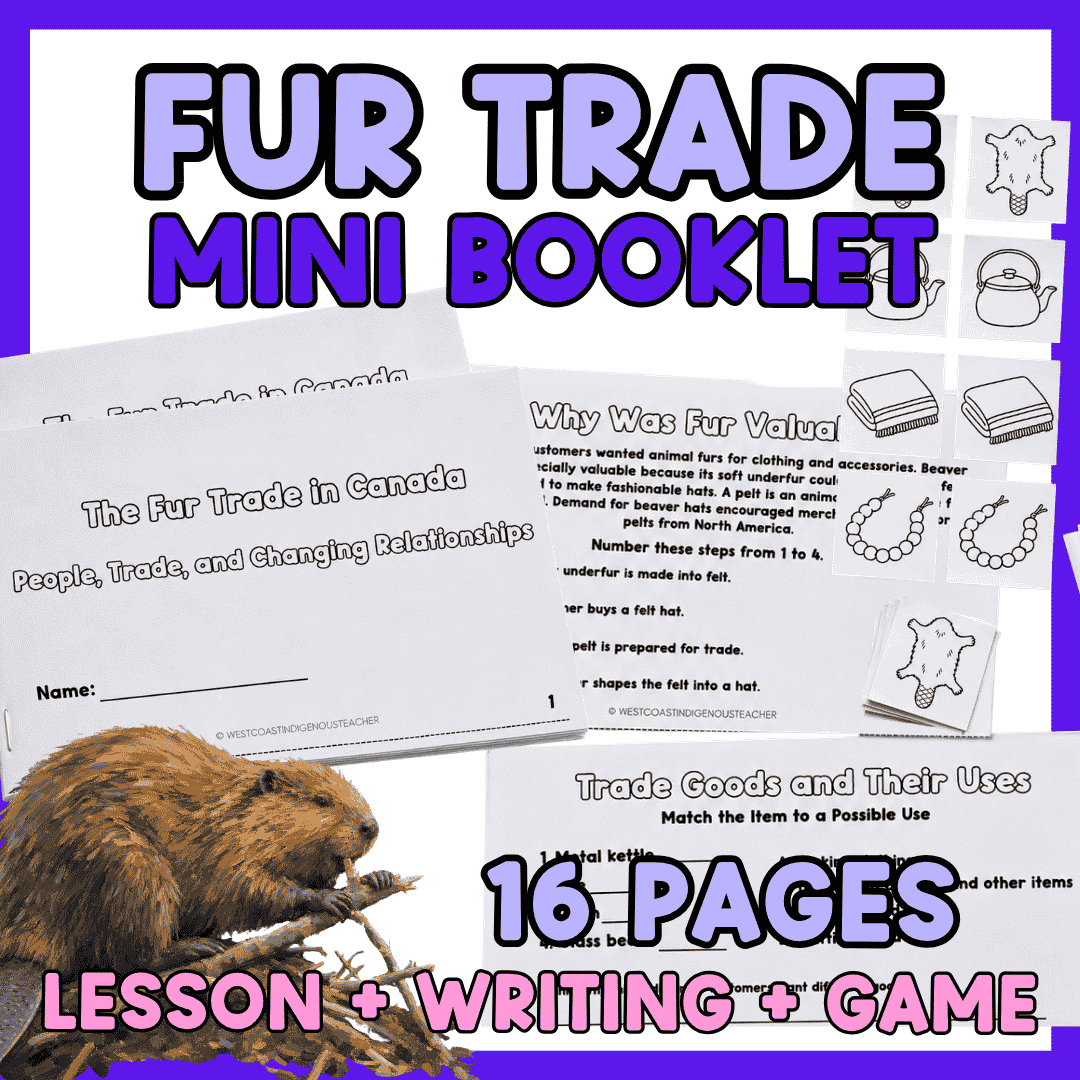


Canadian Fur Trade Activities for Grades 4–6
Help students explore the fur trade in Canada through short readings, thoughtful written responses, and a cooperative trading-card game. These printable fur trade activities combine Canadian history learning with opportunities to practice reading comprehension, communication, and critical thinking.
Created by a First Nations educator, this resource includes Indigenous perspectives throughout. Students learn about trading networks that existed before Europeans arrived, the knowledge and leadership Indigenous people brought to the trade, and the distinct identity of Métis communities.
The booklet also explores opportunities and harmful consequences, helping students consider how the Canadian fur trade affected different people and communities.
What’s Included?
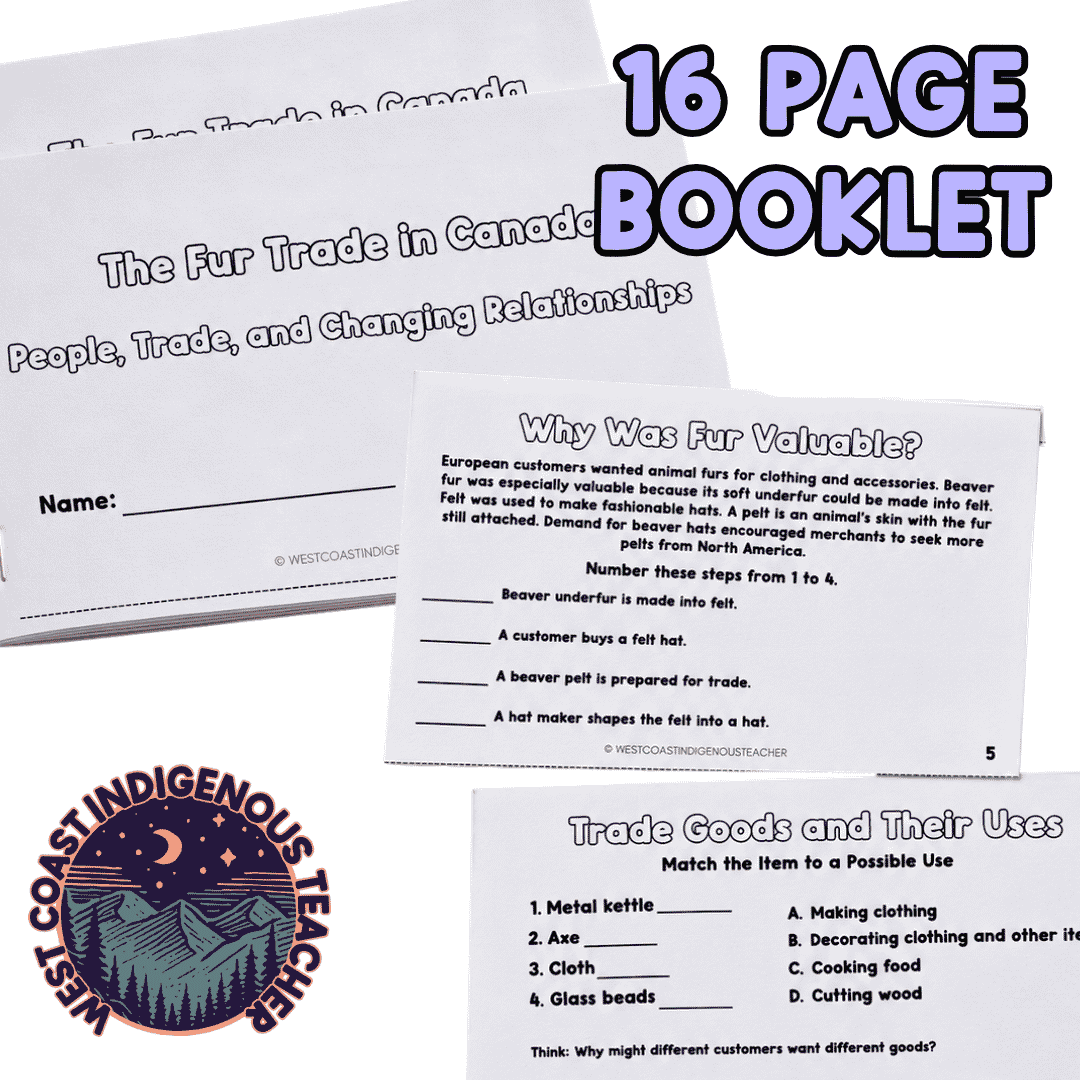
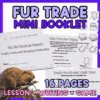
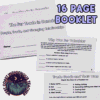
- 16-page half-page fur trade booklet, including the cover
- Short informational readings with clear headings
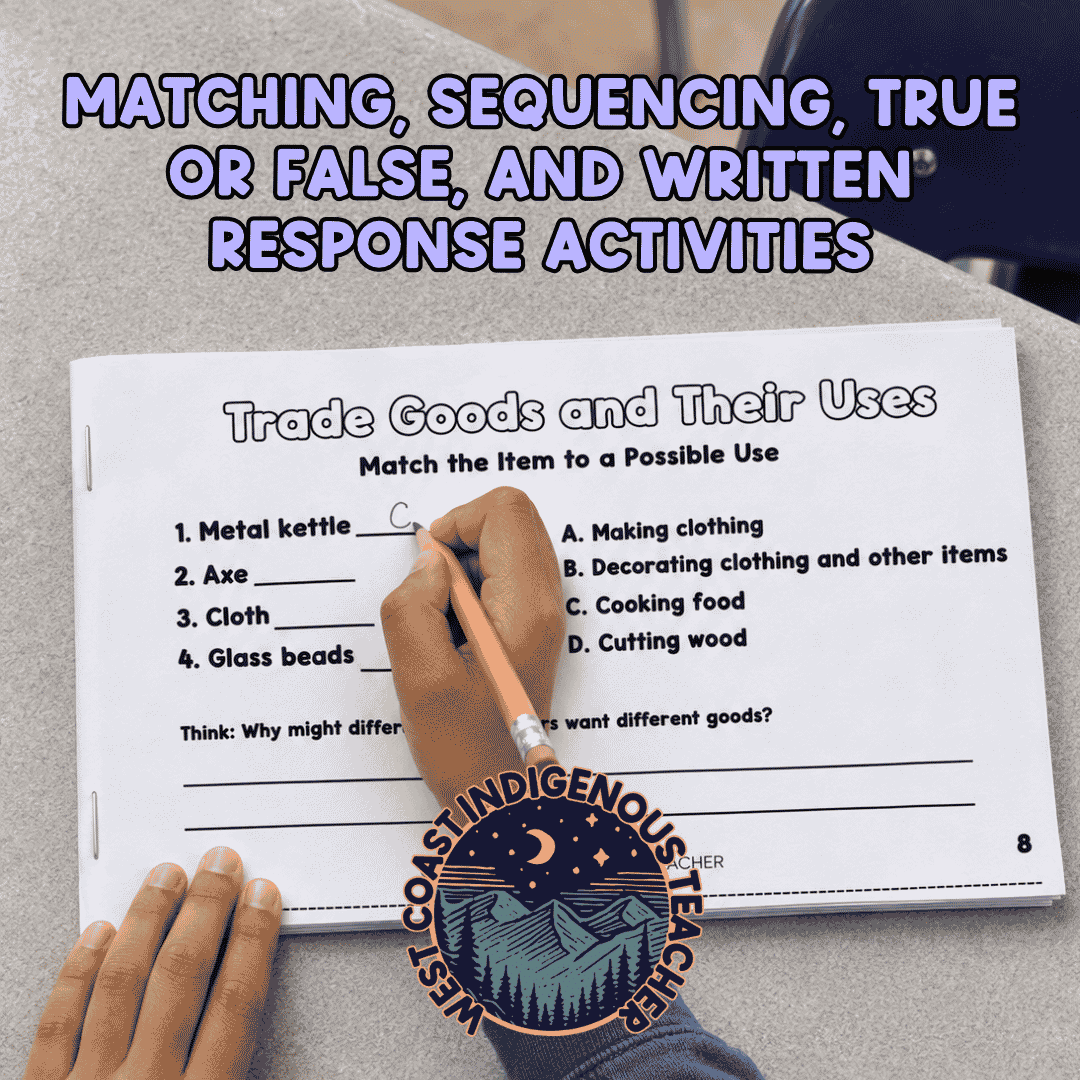
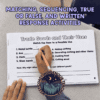
- Matching, sequencing, true-or-false, and written-response activities
- Teacher lesson plan
- Booklet answer key
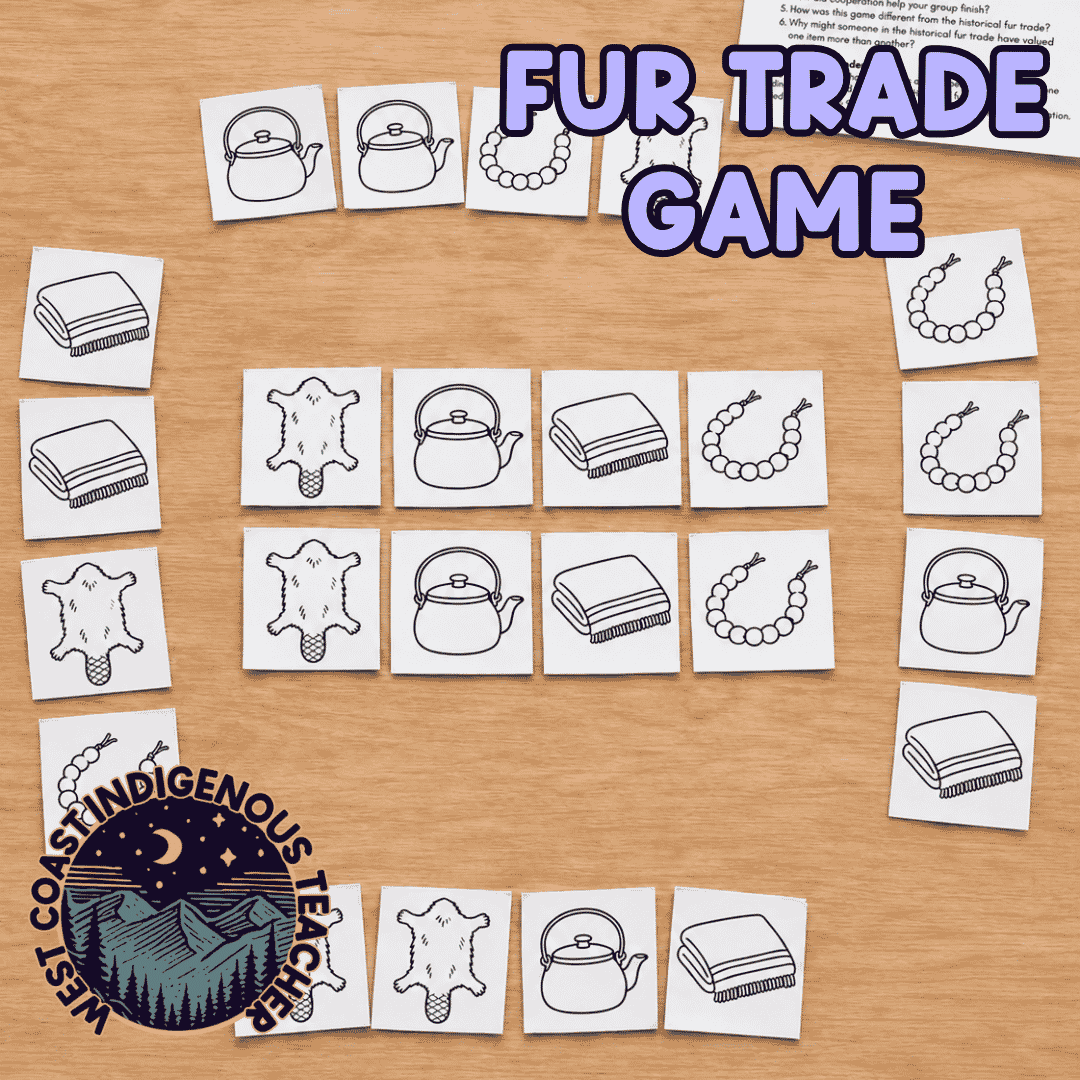
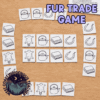
- Trading Post Swap: A Fur Trade Game
- 24 printable game cards: six each of pelts, blankets, kettles, and beads
- Teacher setup instructions and game rules
- Student playing guide
- Post-game discussion and reflection questions
A Fur Trade Booklet with Indigenous Perspectives
The half-page booklet introduces students to the people, goods, knowledge, and relationships involved in the fur trade. Manageable reading sections give students information they can use to complete the accompanying activities.
Topics include:
- Trade before European arrival: Indigenous trading networks and the movement of goods between communities.
- Why fur was valuable: Beaver pelts, felt hats, and European demand.
- Indigenous knowledge and leadership: Trapping, preparing pelts, guiding travelers, supplying food, and negotiating exchanges.
- Trade goods: Kettles, axes, cloth, blankets, beads, and their uses.
- Transportation: Waterways, canoes, and portages.
- Trading posts and companies: The Hudson’s Bay Company, North West Company, and competition.
- Voyageurs: The strength, skill, and cooperation needed to transport cargo.
- Thanadelthur: A Dene leader whose interpretation and diplomacy helped build peace and trading relationships.
- Métis communities: Shared history, culture, community, and nationhood.
- Opportunities and harm: Access to goods and income alongside conflict, disease, and growing colonial pressure.
- A changing trade: Beaver populations, changing fashions, and falling fur prices.
These Canadian fur trade activities encourage students to recognize Indigenous people as knowledgeable participants and decision-makers with their own goals.
A Cooperative Fur Trade Game
In Trading Post Swap, students work in groups of 4–6 to collect one pelt, one blanket, one kettle, and one bead card.
Players take turns offering trades, exchanging cards, and discussing what they need. Depending on the group size, leftover cards form a shared trading post. Once students complete their collections, they become helpers. The group succeeds when everyone has collected one of each item.
This fur trade game gives students a simple way to explore exchange, negotiation, and cooperation. Reflection questions connect their experience to the historical readings.
The activity is a simplified fur trade simulation of exchanging goods. Its one-for-one trading rule is invented for the game. A historical reminder explains that actual exchanges varied according to needs, relationships, quality, place, time, and negotiation.
Flexible Fur Trade Activities for Your Classroom
Use the booklet and game together or across separate lessons. The resource works well for:
- Introducing the fur trade in Canada
- Supporting a Canadian history or social studies unit
- Guided reading and partner reading
- Independent written responses
- Small-group discussion and cooperative learning
- Building background knowledge for a larger fur trade project
- Reviewing vocabulary, historical relationships, and cause and effect
The booklet activities focus on reading and written responses, with no drawing tasks.
Teacher Support and Preparation
The included lesson plan provides learning goals, vocabulary, discussion prompts, assessment suggestions, and support options. The answer key helps teachers review booklet responses, while the student playing guide gives groups instructions to refer to during the game.
To prepare the booklet: Print the pages, cut them into half-pages, arrange them in order, and staple.
To prepare the game: Print and cut one complete set of 24 cards for each group of 4–6 students. Provide the playing guide for reference.
Recommended grades: 4–6
Resource format: Printable PDF
Student booklet size: Half-page, approximately 8.5 × 5.5 inches
Bring reading, discussion, and cooperative learning together with fur trade activities that help students explore the Canadian fur trade through people, knowledge, and relationships.
Reviews
There are no reviews yet.