
If you’ve ever felt unsure about how to begin teaching truth and reconciliation in your classroom, you’re not alone. Many educators, especially non-Indigenous teachers, want to do better but they don’t know where to start. They worry about “getting it wrong,” saying the wrong thing, or accidentally causing harm.
But avoiding the topic doesn’t help anyone… especially not your students.
Truth and reconciliation is not just a national issue. It’s a classroom issue. And the earlier we start having honest, respectful conversations, the more we support the next generation in building a better future.
So where do we start?
Step 1: Understand What Truth and Reconciliation Means
Truth and reconciliation is more than a phrase. It’s a process, one that begins with truth: understanding the real history of Canada, including the painful legacy of residential schools and the experiences of survivors.
Reconciliation is about action. It means creating space for Indigenous voices, perspectives, and teachings, in schools, in conversations, and in the resources we choose to use.
As educators, we are directly named in several of the Truth and Reconciliation Commission’s Calls to Action. We have a role to play in moving this work forward, starting with what and how we teach.
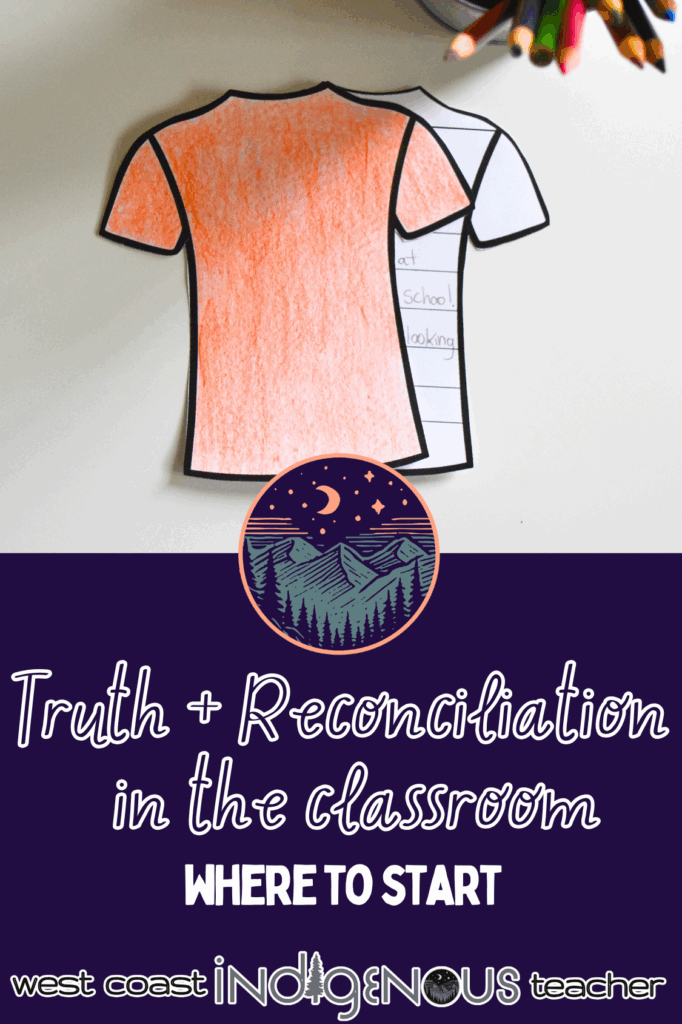
Step 2: Begin with Orange Shirt Day
One of the most meaningful and accessible entry points for teachers is Orange Shirt Day, recognized every year on September 30. This day honours the experience of residential school survivors and raises awareness about the history of these institutions in Canada.
Many educators ask me what’s appropriate to say or share on this day, especially with younger students. The key is to use gentle, age appropriate language, focus on feelings and fairness, and always teach from a place of empathy and truth.
To support educators at every grade level, I’ve created three Orange Shirt Day bundles; each designed for a specific age group, with everything you need to teach this topic thoughtfully and meaningfully.
🍎 Orange Shirt Day Bundle for Primary Grades
This bundle introduces primary students to the importance of Orange Shirt Day and truth and reconciliation through gentle, reflective activities. It includes:
- An introduction to Indigenous Peoples in Canada
- A mini-lesson on Orange Shirt Day and residential schools
- Empathy-based writing and bulletin board activity
- A land acknowledgement guide for young learners
- Printable colouring pages and writing prompts
👉 View the Primary Bundle
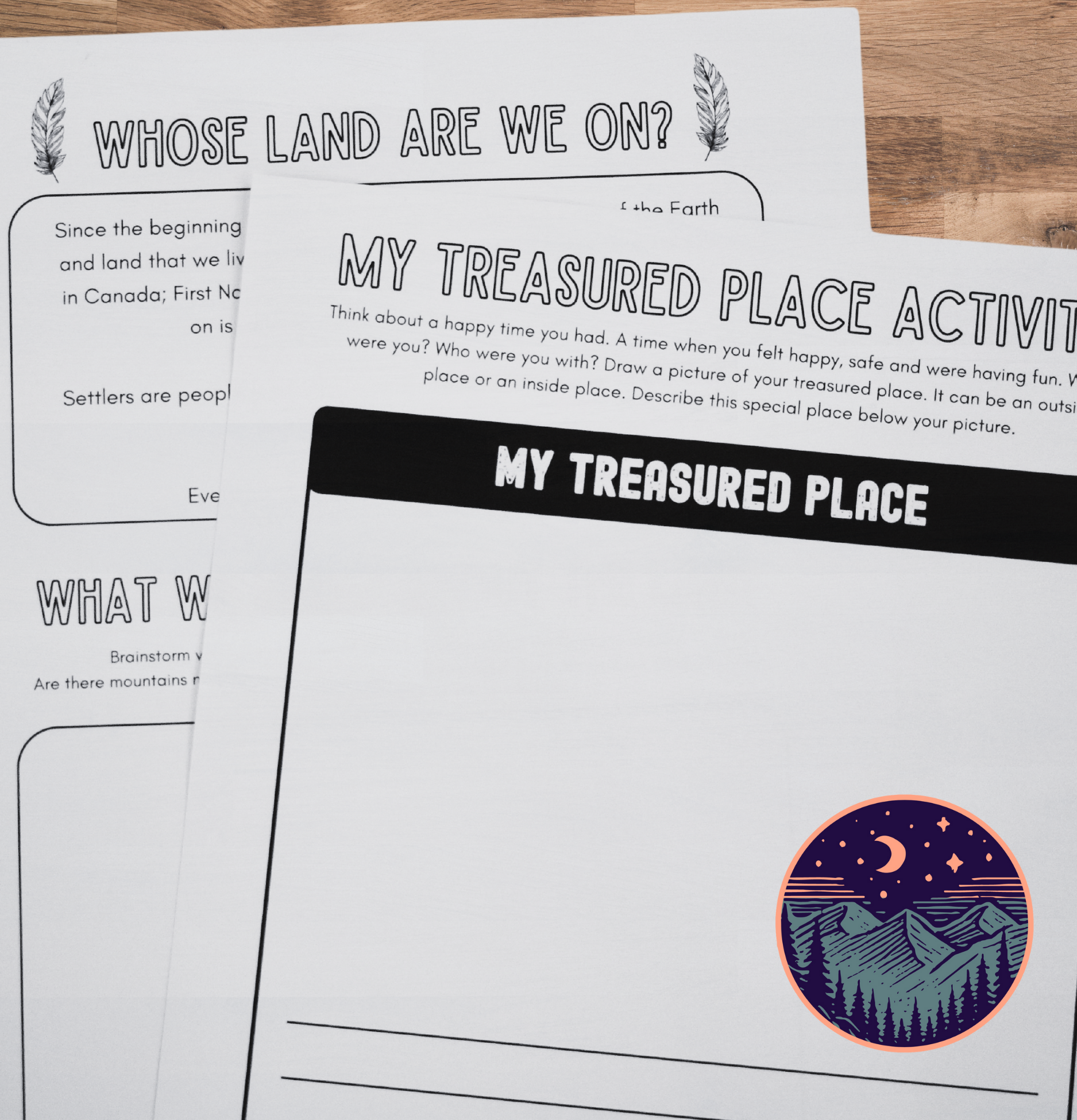
📘 Orange Shirt Day Bundle for Intermediate Grades
This resource bundle helps students explore the impact of residential schools with age-appropriate depth and opportunities for reflection. It includes:
- Activities introducing Indigenous Peoples in Canada
- A residential schools handout with questions and answer key
- Reading response to When We Were Alone
- A letter-writing activity to residential school survivors
- A land acknowledgement writing guide
👉 View the Intermediate Bundle
🎓 Orange Shirt Day Bundle for High School
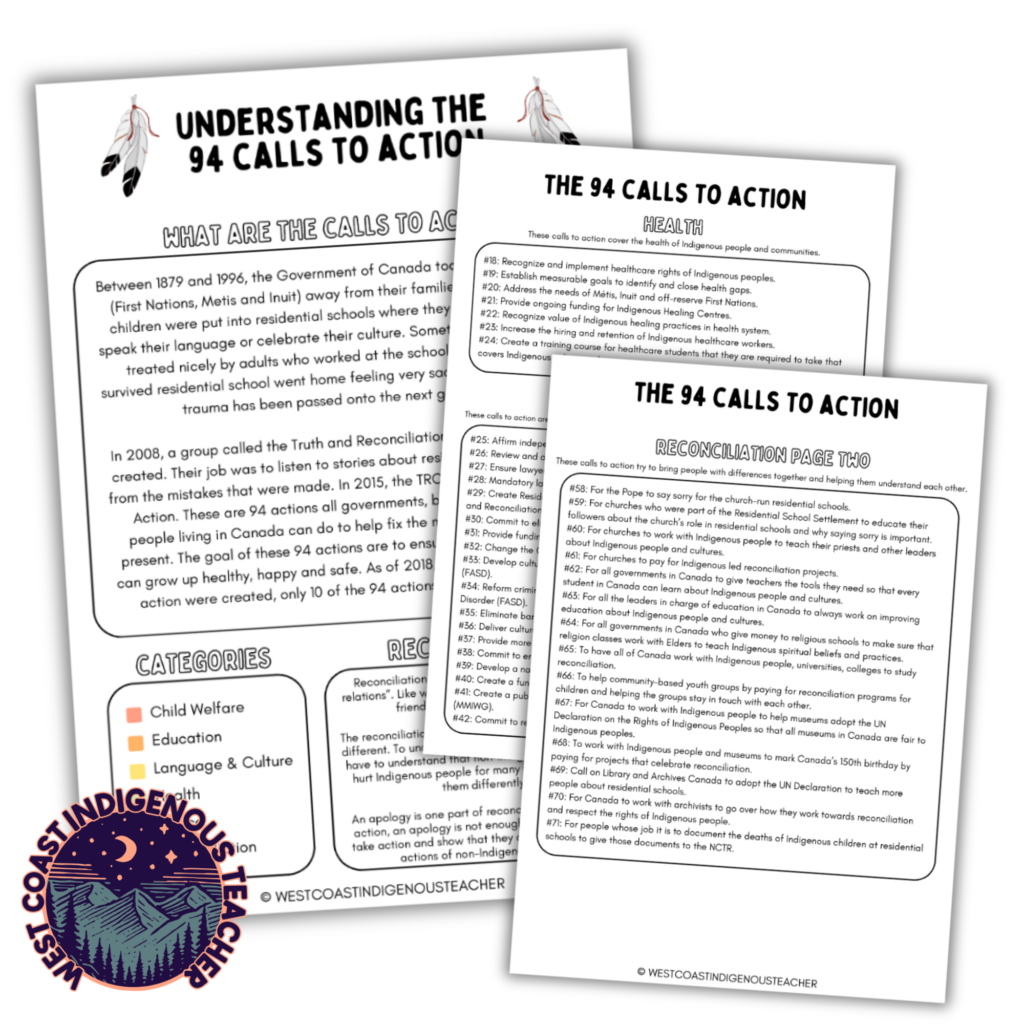
Designed for older students, this bundle encourages deeper thinking, research, and real-world connection. It includes:
- Letter writing to residential school survivors
- A residential school research project with reflection and class display
- A full land acknowledgement package
- A 94 Calls to Action research project with current updates and guiding questions
👉 View the High School Bundle
Step 3: Make It Ongoing, Not Just One Day a Year
Orange Shirt Day can be a meaningful starting point, but Indigenous education should not disappear from the classroom when September ends. Truth and reconciliation learning can be woven naturally into your classroom community and curriculum throughout the year.
You might:
- Include Indigenous perspectives in social studies, science and literacy
- Read books written and illustrated by Indigenous creators
- Learn about the Indigenous Nations connected to the land where you teach
- Create and regularly revisit a meaningful class land acknowledgement
- Introduce students to present-day Indigenous heroes, artists and scientists
- Use art and outdoor learning to explore relationships with land
- Explore Nation-specific teachings connected to seasons, community and the environment
You do not need to create an entirely separate Indigenous education unit. Start by looking at what you already teach and consider where Indigenous voices, histories and present-day perspectives fit naturally.
Step 4: Keep Learning as an Educator
We cannot teach what we do not yet understand. Part of reconciliation is taking responsibility for our own learning as educators.
Read books by Indigenous authors. Take courses such as Indigenous Canada from the University of Alberta. Explore the 94 Calls to Action. Learn from Indigenous educators, Knowledge Keepers, organizations and local Nations.
Be willing to ask better questions, notice gaps in your own understanding and unlearn information that may be incomplete or inaccurate.
You do not need to know everything before you begin. You do need to approach the learning with honesty, care and a willingness to keep going.
Step 5: Make Space for Reflection
Teaching about truth and reconciliation is not only about sharing information. Students also need opportunities to reflect, ask questions and process what they are learning.
They might respond through writing, conversation, art or personal commitments. Encourage them to consider what reconciliation means, why it matters and what responsibility can look like in their own lives.
Make space for difficult emotions, but continue returning to hope and action. Reconciliation is not only about understanding what happened. It is also about considering what we do with that understanding now.
You’re Not Alone in This Work
Teaching truth and reconciliation can feel like a big responsibility, especially when you are worried about saying the wrong thing or not knowing enough.
My Orange Shirt Day resources were created to help you begin these conversations with age-appropriate lessons, survivor stories, thoughtful activities and space for student reflection.
They are a starting point, not the finish line. The most meaningful learning happens when we continue bringing Indigenous voices, histories and perspectives into the classroom throughout the year.
Support Your Whole Staff
Meaningful Orange Shirt Day planning should not fall entirely on individual classroom teachers. My Beyond September 30 Staff Meeting Kit helps principals and school leaders guide staff reflection, evaluate classroom activities and plan Indigenous learning that continues throughout the year.
It includes a ready-to-present slideshow, complete presenter notes, a facilitator guide and a staff reflection handout.
👉 Explore the Orange Shirt Day Professional Development Staff Meeting Kit
Continue the Learning With Students
Looking for your next step? These resources can help you carry the learning into the rest of the school year:
- Explore the 94 Calls to Action for primary students
- Explore the 94 Calls to Action intermediate research project
- Help students create meaningful land acknowledgements
- Learn about Indigenous heroes in Canada
- Bring Indigenous learning outdoors
👉 Explore all Orange Shirt Day and Truth and Reconciliation resources
🧡 Thank you for continuing to show up, keep learning and bring this work into your classroom beyond one day.