If you’re a non-Indigenous educator who wants to begin integrating Indigenous content into your classroom, you’re not alone. Many educators I’ve connected with over the years have shared their uncertainty — not because they don’t care, but because they do. They want to get it right. They want to honour Indigenous Peoples and cultures. But they worry they’ll make a mistake.
If that sounds like you, I want to start by saying: you can do this — and your students will benefit so much from your effort to try. Teaching Indigenous content isn’t about being an expert. It’s about being a respectful learner and guide.
Let’s talk about why it matters, what holds many teachers back, and how to get started in a good way.
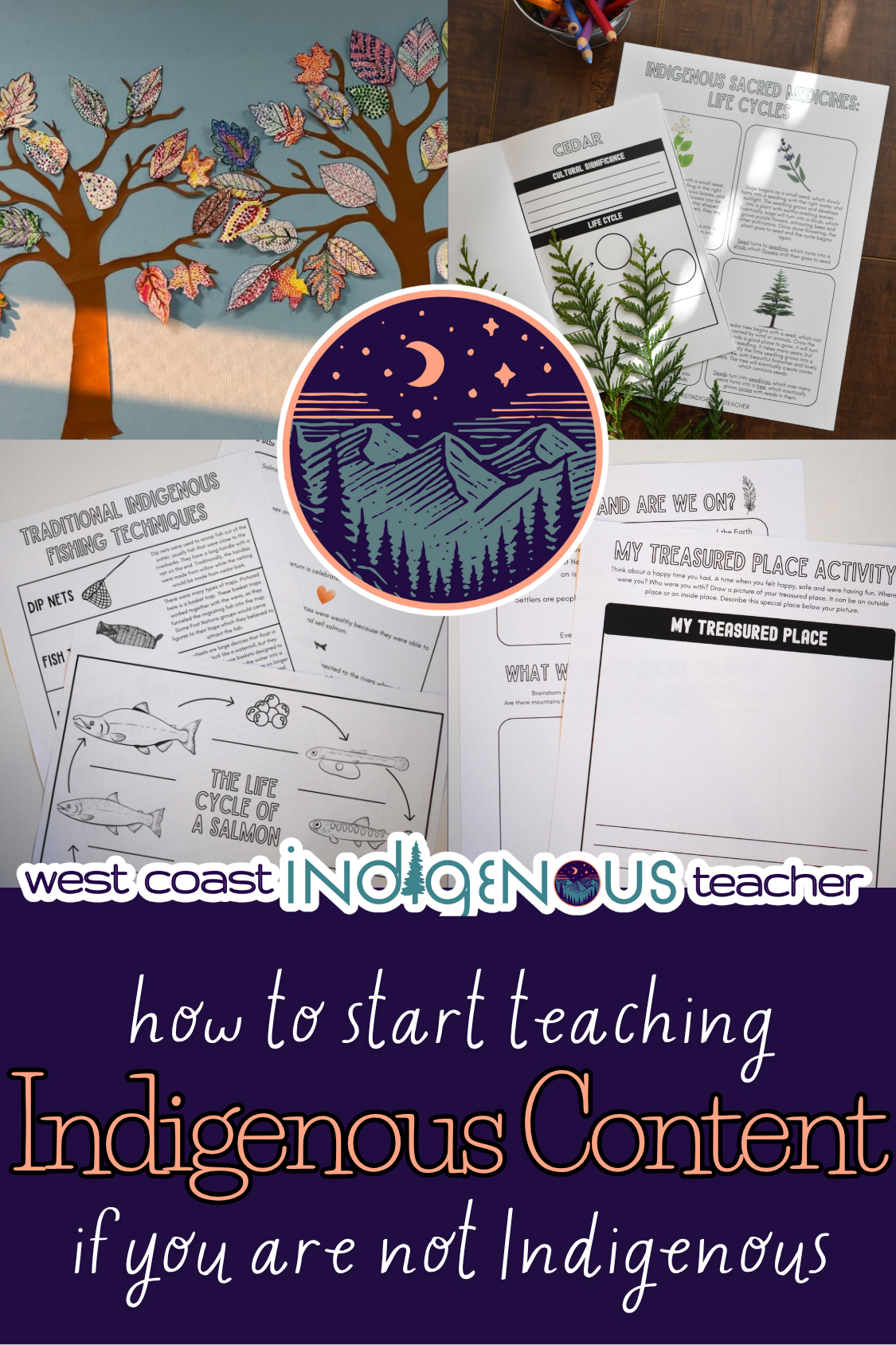
Why This Work Matters
Teaching Indigenous content in the classroom isn’t just a curriculum checkbox. It’s part of our shared responsibility toward Truth and Reconciliation. When students learn about Indigenous histories, cultures, and worldviews from an early age, they’re more likely to grow up with empathy, understanding, and respect.
It also ensures that Indigenous students see themselves represented — not just on a poster during Indigenous Peoples Month, but as an integral part of the learning journey all year long.
What Holds Many Teachers Back
Let’s name the fears, because they’re real. The most common fears I hear from non-Indigenous educators are:
- “I’m afraid I’ll say something wrong.”
- “I don’t want to be accused of cultural appropriation.”
- “I don’t feel like I have enough knowledge.”
These feelings are common, really common — but they don’t have to stop you. The key is to approach this work with humility, curiosity, and care. You don’t need to be an expert to begin — just someone willing to learn alongside your students.
5 Practical Steps to Get Started
1. Learn from Indigenous Voices
Start by reading books, watching videos, or following Indigenous educators, knowledge keepers, and artists online. It’s important to listen to the people whose stories and experiences you’re sharing in your classroom.
2. Use Resources Created by Indigenous Educators
Whenever possible, choose resources created by Indigenous people. This ensures the materials are culturally accurate and grounded in lived experience.
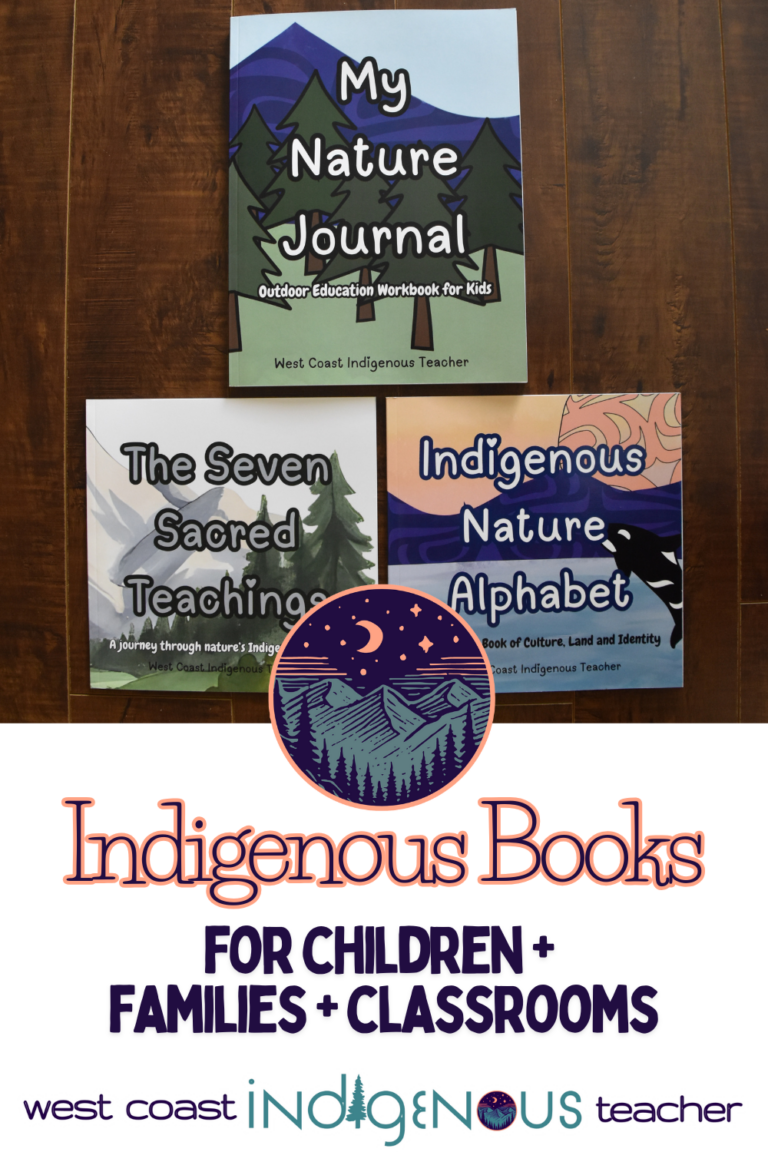
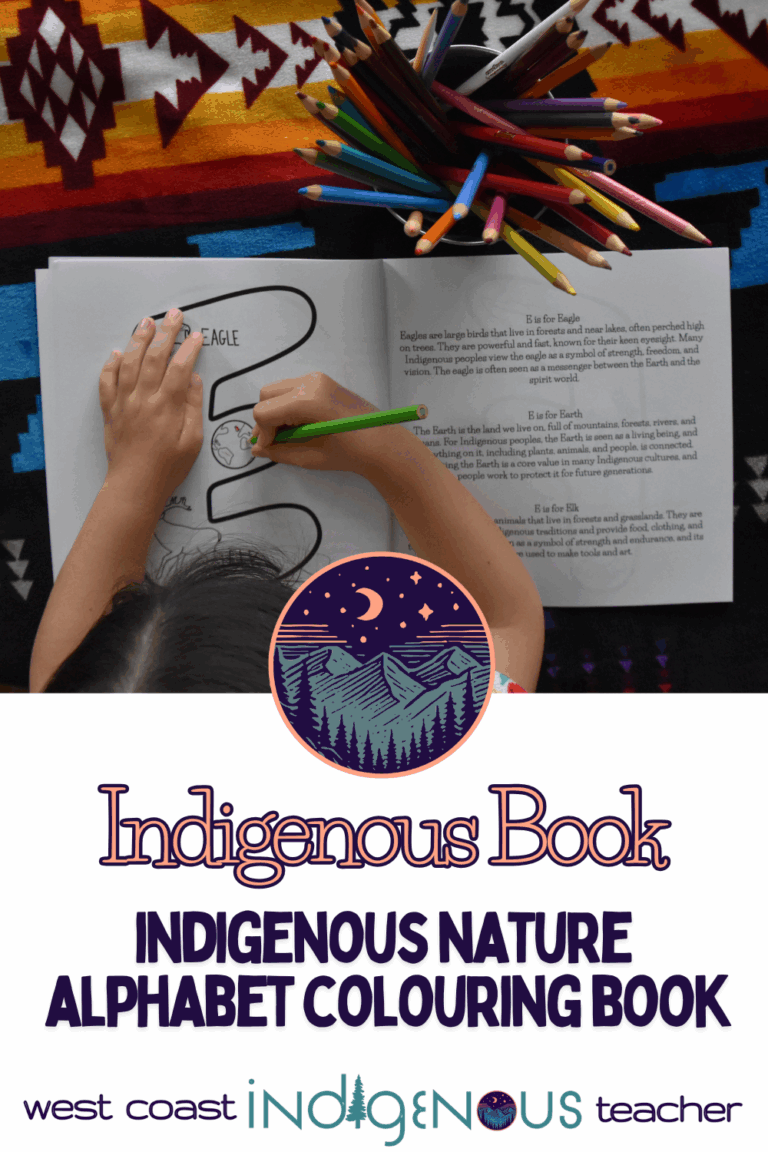
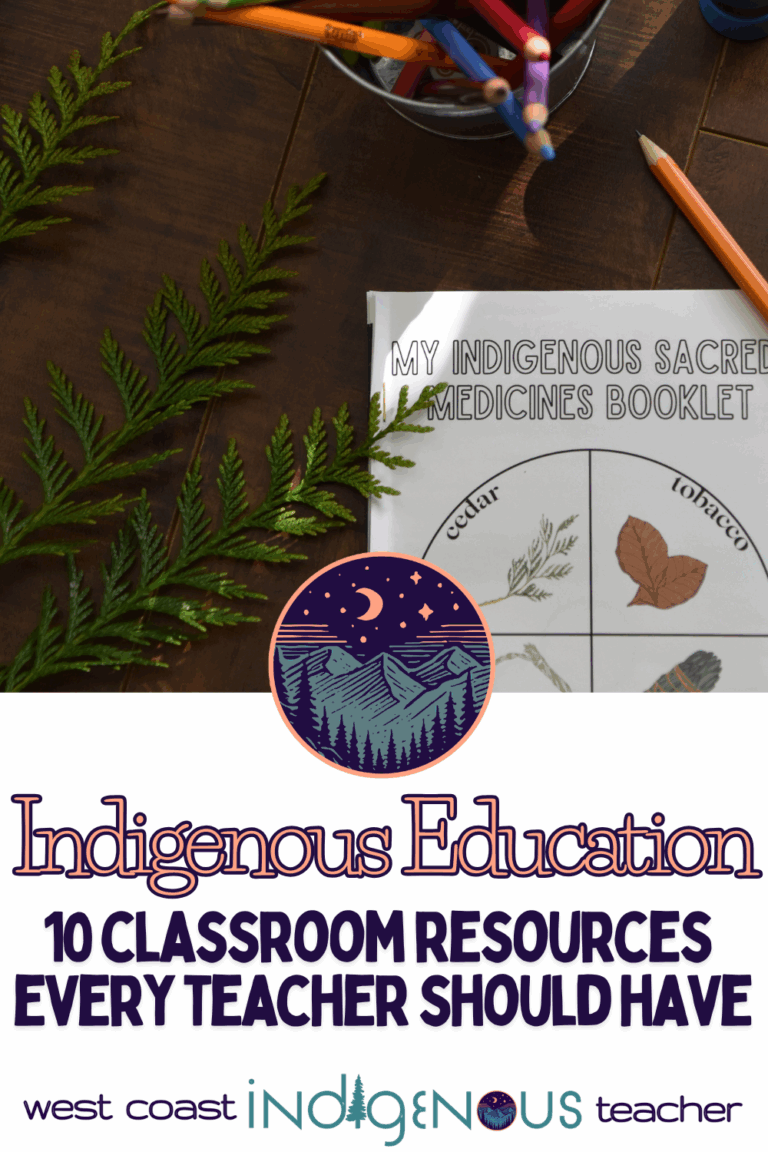
🌿 I’ve created a collection of resources for classrooms that are respectful, age-appropriate, and designed to help teachers get started — even if they don’t have a background in Indigenous education. Browse my full store here.
A few beginner-friendly options include:
3. Start Small and Build Over Time
You don’t have to overhaul your entire curriculum. Start with a single lesson or activity. Introduce one Indigenous hero. Celebrate National Indigenous Peoples Day. Use a land acknowledgment during your morning meeting.
Small actions add up — and each step deepens your students’ understanding.
4. Avoid a Pan-Indigenous Approach
It’s important to avoid treating all Indigenous cultures as the same. First Nations, Métis, and Inuit Peoples each have distinct languages, histories, and teachings. When possible, be specific and name the Nation or community.
If you’re teaching on a particular territory, try to learn about the people whose land you’re on and use resources connected to their stories when available.
5. Create Space for Reflection and Dialogue
Give your students time to think, ask questions, and reflect. This work isn’t just about information — it’s about relationships and values. When we create space for conversation, we also model what lifelong learning looks like.
You Don’t Need to Be Perfect — Just Respectful
You won’t get everything right, and that’s okay. What matters is that you’re trying — and that you’re doing it with care. Your students will remember your willingness to show up, even when it’s hard. And that’s a lesson in itself.
Ready to Start?
If you’re looking for ready-made, classroom-tested Indigenous education resources that are respectful and engaging, I’d love for you to explore my collection. Everything is designed to support you as a non-Indigenous educator wanting to teach with heart and honesty.
👉 Browse Indigenous Resources on TPT
👉 Browse Indigenous Resources on Etsy
And if you ever have questions or need support, I’m just an email away. You’re not alone in this work.